
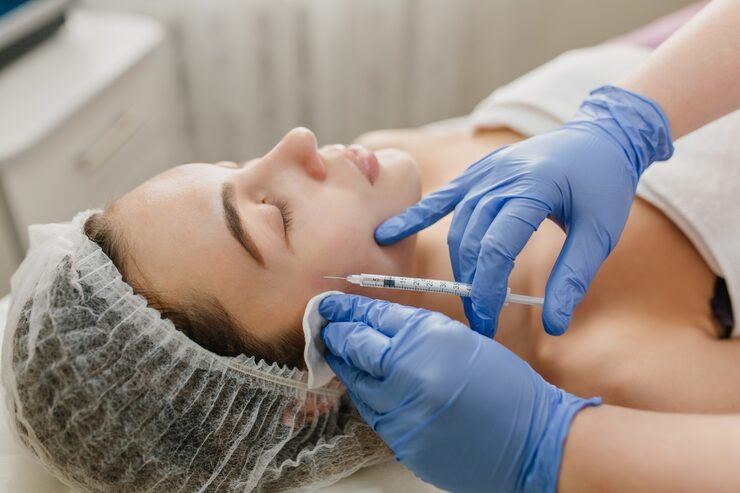
Acne scars can remain long after breakouts have disappeared. In some cases, scars may even look darker, deeper, or more noticeable over time. Sun exposure, picking at the skin, ongoing acne, and improper skincare can all affect how scars appear. Understanding these factors can help you take better care of your skin and choose appropriate treatment.
For people dealing with acne scars Coppell, professional skin treatments may help improve uneven texture, discoloration, and the overall appearance of the skin. If you are considering professional care, learning about available acne scar removal Dallas options can also help you understand what may work for your skin type and concerns.
What Causes Acne Scars?
Acne scars usually develop when inflammation from a breakout damages the deeper layers of the skin. When the skin repairs itself, it may produce too much or too little collagen. This can result in different types of scars.
Common acne scar types include:
- Ice pick scars: Small, deep scars that appear as narrow openings in the skin.
- Boxcar scars: Wider depressions with defined edges.
- Rolling scars: Broad depressions that create an uneven or wavy skin texture.
- Dark marks: Brown, red, or purple spots that can remain after acne heals.
Not every mark left behind by acne is technically a scar. Post-inflammatory hyperpigmentation can cause dark spots without creating permanent changes to the skin’s texture. These marks may gradually fade, although sun exposure can make them more noticeable.
Why Can Acne Scars Look Worse Over Time?
Acne scars do not always become physically deeper, but several factors can make them appear more prominent.
1. Sun Exposure
UV exposure can darken pigmentation left behind after acne. It can also contribute to uneven skin tone and premature skin aging.
If you have acne marks or scars, daily sunscreen is an important part of your skincare routine. A broad-spectrum sunscreen can help protect the skin from UV exposure and reduce the chance of dark spots becoming more noticeable.
2. Picking or Squeezing Pimples
Touching, squeezing, or picking at acne can increase inflammation and damage surrounding skin. This may increase the risk of scarring, particularly when breakouts are deep or inflamed.
Instead of squeezing a pimple, allow it to heal or discuss recurring breakouts with a qualified skincare professional.
3. Ongoing Acne Breakouts
Treating existing scars while new acne continues to develop can make it difficult to achieve consistent results. New breakouts may create additional marks or scars.
For this reason, an acne treatment plan may need to address both active acne and existing scars.
4. Inconsistent Skincare
A skincare routine that changes frequently or does not address your specific skin concerns may make it harder to manage acne-related discoloration and irritation.
Harsh scrubs and aggressive products can also irritate the skin. Gentle cleansing, hydration, sun protection, and appropriate active ingredients are generally more suitable for maintaining the skin barrier.
5. Natural Skin Changes
As the skin ages, collagen production changes. Loss of skin firmness can make certain depressed acne scars more visible. Changes in skin texture may therefore affect how old scars appear, even when no new acne has developed.
Can Acne Scars Be Removed Completely?
The term “removal” is commonly used when discussing acne scar treatments, but treatment does not always mean that a scar disappears completely.
The goal of professional treatment is often to make scars less noticeable by improving skin texture, pigmentation, and overall appearance. The appropriate approach depends on factors such as scar type, depth, skin tone, acne activity, and previous treatments.
People researching acne scar removal Dallas may find several professional treatment options. A consultation can help determine which approach is appropriate rather than choosing a procedure based only on online information.
Treatment Options for Acne Scars
Different acne scars respond to different treatments. A professional evaluation can help identify the type of scar and determine an appropriate treatment plan.
Chemical Peels
Chemical peels use carefully selected solutions to exfoliate the outer layers of the skin. Depending on the formulation and strength, they may help improve uneven pigmentation and skin texture.
Peels are often used for certain types of discoloration, but deeper acne scars may require other approaches.
Microneedling
Microneedling uses tiny needles to create controlled micro-injuries in the skin. This process can stimulate the body’s natural healing response and collagen production.
It may be used to improve the appearance of certain depressed acne scars and uneven skin texture. Several sessions may be recommended depending on the condition of the skin.
Laser Treatments
Certain laser treatments can target pigmentation or stimulate collagen remodeling. The appropriate laser depends on the individual’s skin type, pigmentation concerns, and scar characteristics.
Because some laser treatments can affect pigmentation, a professional assessment is particularly important for people with darker skin tones.
Combination Treatments
Some patients may benefit from a combination of treatments. For example, a provider may recommend different approaches for active acne, pigmentation, and depressed scars.
A customized treatment plan can be adjusted based on how the skin responds over time.
How to Prevent Acne Scars From Getting Worse
While existing scars may require professional treatment, daily habits can help reduce additional skin damage.
Avoid Picking Your Skin
One of the simplest steps is to avoid squeezing pimples. Picking can increase inflammation and may lead to additional marks or scars.
Wear Sunscreen Every Day
Sun protection should be part of your daily routine, especially if you have acne-related pigmentation. Apply broad-spectrum sunscreen and reapply as directed when spending extended time outdoors.
Use Gentle Skincare Products
Choose products that are appropriate for your skin type. Avoid excessive scrubbing or using multiple strong active ingredients at the same time unless recommended by a skincare professional.
Treat Acne Early
Managing acne can help reduce the chance of repeated inflammation and future scarring. If over-the-counter products are not controlling persistent or severe breakouts, professional guidance may be helpful.
Do Not Expect Overnight Results
Skin remodeling takes time. Treatments that stimulate collagen or improve pigmentation often require multiple sessions and a consistent skincare routine. Patience and proper aftercare can be important parts of the process.
When Should You Consider Professional Acne Scar Treatment?
You may want to consider professional treatment if your acne scars:
- Have remained for several months or longer
- Affect your confidence
- Create noticeable uneven texture
- Include persistent dark marks
- Have not improved with your current skincare routine
- Continue to appear more noticeable as your skin changes
A professional consultation can help distinguish between acne scars, pigmentation, and other skin concerns. This is important because different concerns may require different treatment approaches.
What to Expect During an Acne Scar Consultation in Coppell
A consultation usually begins with an evaluation of your skin and acne history. A provider may examine the type, depth, and location of your scars and ask about previous skincare products or treatments.
Your current acne activity may also be considered. If active breakouts are still occurring, controlling acne may be an important part of your overall treatment plan.
Based on the evaluation, your provider can discuss suitable treatment options, expected results, recovery requirements, and the number of sessions that may be needed.
Choosing the Right Approach for Acne Scars Coppell
There is no single treatment that works for every type of acne scar. A treatment that helps pigmentation may not provide the same benefit for deep, depressed scars.
If you are searching for acne scars Coppell treatment, focus on getting a professional assessment rather than choosing a procedure based solely on advertisements or before-and-after photos.
A personalized approach can help address your specific skin concerns while taking your skin type, scar characteristics, and treatment history into consideration.
Final Thoughts
Acne scars can become more noticeable because of sun exposure, repeated breakouts, skin picking, irritation, and natural changes in skin texture. Although scars may not always disappear completely, professional treatments can help improve their appearance and create a smoother-looking complexion.
If you are dealing with acne scars Coppell, a professional skin consultation can help identify the type of scarring you have and determine which treatment options may be appropriate. Those researching acne scar removal Dallas can also explore professional treatment options available in the Dallas area.
The most important step is to avoid picking at active acne, protect your skin from the sun, maintain a gentle skincare routine, and seek professional guidance when scars or persistent acne are affecting your skin. With the right approach and realistic expectations, you can work toward healthier-looking, more even skin.