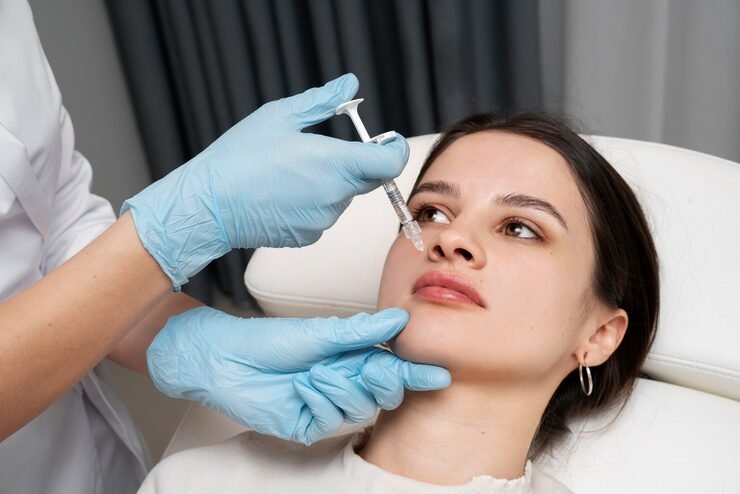
Botox is a popular cosmetic treatment for people who want to soften the appearance of wrinkles and fine lines. Many people choose Plano Botox because the treatment can provide a smoother and more refreshed appearance without surgery or lengthy recovery. However, Botox does not last for the same amount of time for everyone. Several factors can affect how long the results remain visible.
Understanding these factors can help you set realistic expectations and plan future treatments. Whether you are considering Botox for the first time or have already received injections, knowing what can influence your results may help you get the most from your treatment.
How Long Does Botox Usually Last?
Botox results commonly last around three to four months, although the exact duration can vary from person to person. Some people may notice their results lasting longer, while others may see movement and wrinkles gradually return sooner.
Botox works by temporarily reducing the activity of specific muscles responsible for dynamic wrinkles. As muscle activity gradually returns, treated lines may become visible again.
The treatment area, individual muscle activity, dosage, lifestyle, and other factors can all influence how long the results last.
1. The Treatment Area Can Affect Results
One of the biggest factors affecting Botox longevity is the area being treated. Different facial muscles have different levels of activity.
For example, the muscles used when smiling, frowning, or raising the eyebrows may move frequently throughout the day. Areas with stronger or more active muscles may require a carefully planned treatment approach.
A qualified provider can evaluate your facial movement and determine an appropriate treatment plan based on your individual needs. This personalized approach is important because Botox is not a one-size-fits-all treatment.
2. Your Individual Muscle Activity Matters
Everyone has different facial expressions and muscle movement. Some people naturally make frequent facial expressions, while others have less movement in certain areas.
Repeated muscle contractions can gradually contribute to the return of dynamic wrinkles as Botox wears off. If you have highly active facial muscles, your results may not last as long as someone with less muscle activity.
This does not necessarily mean that you need more Botox. Instead, your provider can assess your facial movement and recommend an appropriate amount based on your treatment goals.
3. Your Metabolism May Influence Botox Longevity
Your metabolism can also play a role in how quickly your body processes Botox. People with faster metabolic rates may sometimes notice that their results do not last as long.
However, metabolism is only one factor. The duration of Botox can vary considerably between individuals, so it is difficult to predict exactly how long the effects will remain based on metabolism alone.
During your consultation, discussing your previous Botox experiences can help your provider understand how your body has responded to treatment in the past.
4. The Amount of Botox Used Can Make a Difference
The amount of Botox used during treatment may affect the duration and appearance of results. Your provider considers factors such as the treatment area, muscle strength, facial anatomy, and desired outcome when developing a treatment plan.
Using an appropriate amount is important. More Botox does not automatically mean better or longer-lasting results. The goal is usually to achieve a balanced appearance while preserving natural facial expression.
For patients seeking Plano Botox, an individualized treatment plan can help address specific concerns while considering their desired aesthetic results.
5. Your Lifestyle Can Affect Your Results
Daily habits may also influence how long your Botox results remain noticeable. Regular physical activity, sun exposure, stress, and other lifestyle factors can affect your overall skin health and appearance.
Staying active is an important part of a healthy lifestyle, but people who engage in intense physical activity may notice changes in how long their cosmetic treatments last.
This does not mean that you need to avoid exercise. Instead, follow your provider’s aftercare recommendations and maintain healthy habits that support your skin.
6. Sun Exposure and Skin Care Matter
Botox primarily affects muscle activity, while your skin is influenced by factors such as sun exposure and aging. Excessive UV exposure can contribute to premature skin aging, fine lines, and changes in skin texture.
Protecting your skin with broad-spectrum sunscreen and following a consistent skincare routine can help maintain a healthy-looking appearance.
Although good skincare cannot stop Botox from wearing off, it can complement your cosmetic treatment by supporting the overall appearance and condition of your skin.
7. Your Previous Botox Treatments May Affect Your Experience
People who receive Botox regularly may notice differences in how long their results last over time. With repeated treatments, some patients report that their results remain noticeable for longer periods.
However, individual experiences vary. Your treatment history, muscle activity, dosage, and treatment schedule all play a role.
If you have received Botox before, tell your provider how long your previous treatment lasted. This information can be useful when planning future appointments.
8. Choosing an Experienced Provider Is Important
The provider you choose can have an important role in your overall Botox experience. Proper knowledge of facial anatomy, injection techniques, and treatment planning can help support natural-looking results.
A consultation allows you to discuss your concerns, expectations, previous treatments, and desired outcome. Your provider can then determine whether Botox is appropriate for the areas you want to address.
If you are comparing Botox treatment Coppell options or looking for treatment in nearby communities, consider the provider’s experience, consultation process, treatment approach, and patient education.
What Can You Do to Maintain Your Botox Results?
While you cannot completely prevent Botox from wearing off, several habits can support your overall results:
- Follow your provider’s post-treatment instructions.
- Protect your skin from excessive sun exposure.
- Use sunscreen regularly.
- Maintain a consistent skincare routine.
- Stay hydrated and follow a balanced diet.
- Avoid changing your treatment schedule without professional guidance.
- Keep track of how long your results last after each appointment.
These habits can support healthy-looking skin while you continue your cosmetic treatment plan.
When Should You Schedule Your Next Botox Treatment?
There is no universal schedule that works for everyone. Botox typically wears off gradually, so you may begin noticing increased muscle movement and the gradual return of wrinkles as the effects decrease.
Your provider can help determine when another treatment may be appropriate based on your previous results and aesthetic goals. Scheduling treatments too frequently may not be necessary, so professional guidance is important.
Keeping a record of your treatment dates and how long your results lasted can also help you and your provider develop a more personalized plan.
Final Thoughts on Plano Botox
Several factors can affect how long Botox lasts, including the treatment area, muscle activity, metabolism, dosage, lifestyle, skincare habits, and individual response to treatment. Because every person’s facial anatomy and goals are different, results can vary.
If you are considering Plano Botox, a consultation with an experienced cosmetic provider can help you understand what to expect and create a treatment plan based on your needs. If you are also researching Botox treatment Coppell, comparing treatment approaches and consultation options can help you make an informed decision.
Botox can be an effective option for temporarily reducing the appearance of dynamic wrinkles. With realistic expectations, appropriate treatment planning, and proper aftercare, you can better understand your results and when it may be time to consider your next appointment.